If you’ve ever opened your banking app and thought, “Where did my money go?”, you are not alone. Budgeting for beginners is not about being boring, strict, or killing all joy in life. It is simply a plan that helps you control your money instead of wondering where it disappeared.
This budgeting guide is for people who feel overwhelmed, confused, or tired of living paycheck to paycheck. No guilt. No fancy language. Just practical money clarity.
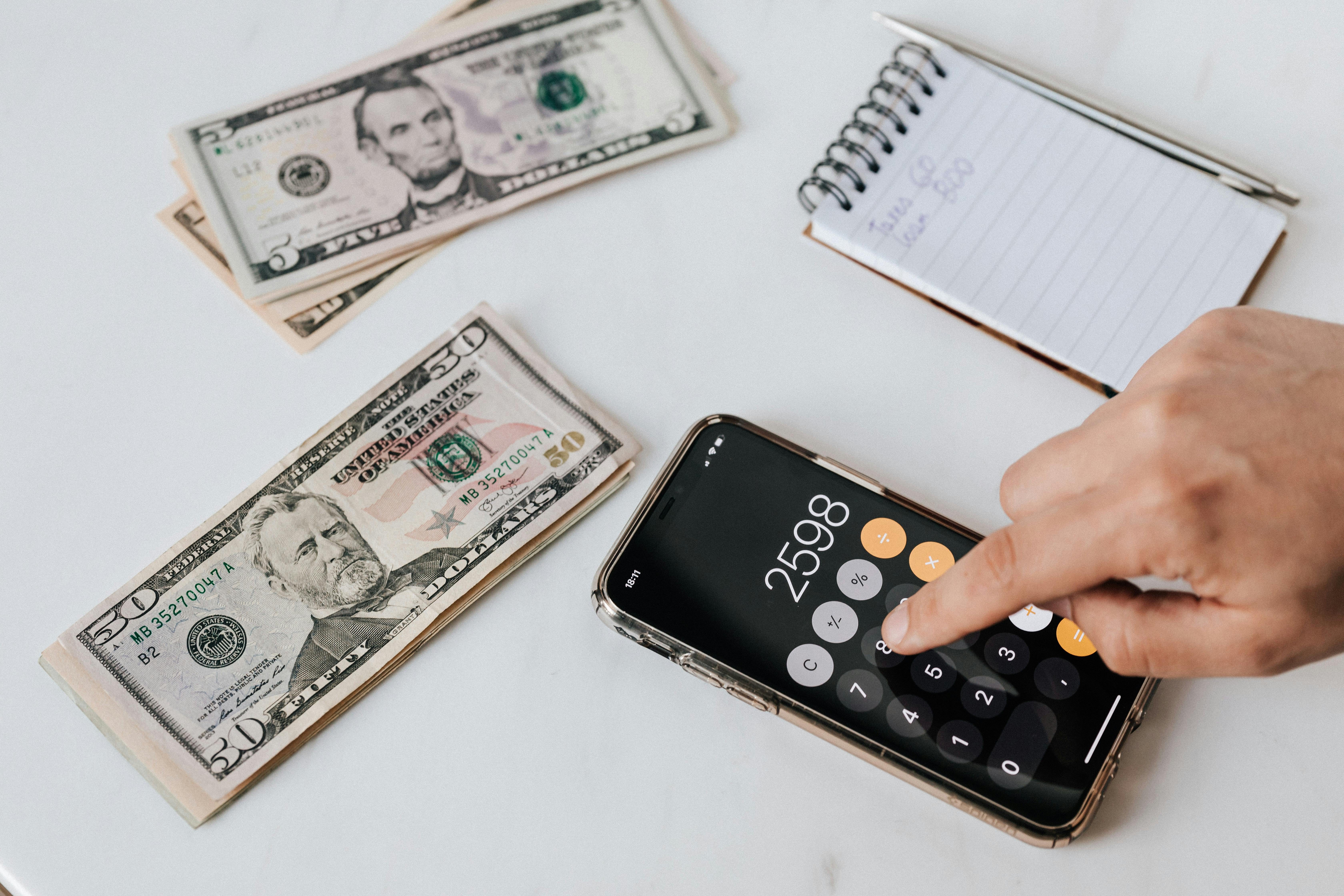
What is budgeting for beginners, really?
A budget is not a prison. It is not a punishment. In budgeting for beginners, a budget is simply:
- a clear overview of your income
- a clear overview of your expenses
- a decision made before money is spent
You do not need expensive apps or complex spreadsheets. Those are tools. Budgeting itself is awareness plus decision-making.

Why budgeting for beginners actually matters
Without budgeting, money quietly slips away. With a basic budget, you gain control.
- you stop guessing
- you avoid end-of-month panic
- you spot bad habits early
- you make room for saving and investing
- you reduce financial stress
Budgeting for beginners does not make you rich overnight. It makes you not lost — and that alone is powerful.
Step 1 — Know your real monthly income
Not the hopeful number. The real one.
- salary after taxes
- student income
- side hustles
- benefits or scholarships
Only count predictable income. Hope is not a budgeting method.
Step 2 — Track expenses honestly
Fixed expenses
- rent
- insurance
- transport
- subscriptions
- phone bills
Variable expenses
- groceries
- eating out
- shopping
- entertainment
- unexpected costs
Discovering overspending is not failure — it is data. Data helps beginners budget better.

Best budgeting methods for beginners
50/30/20 budgeting rule
This popular budgeting for beginners method divides income into:
- 50% needs
- 30% wants
- 20% saving or investing
It works well if you want structure without obsessing over every euro.
Zero-based budgeting
Every euro has a job. Income minus expenses equals zero. This budgeting method is ideal if you want full control.
Pay yourself first budgeting
You save first, then live on the rest. This method works especially well if your goal is saving 5,000€ a year.
Budgeting for beginners and investing
Budgeting helps you save money, but long-term financial growth comes from investing. Once your budget is stable, learning about ETF investing for beginners is a logical next step.
Helpful external resources
Final thought
Budgeting for beginners is not about restriction. It is about freedom. When you decide where your money goes, stress goes down and confidence goes up.